Air source heat pump installation in Darlington
A complete air source installation in Darlington runs £8,000 to £14,000 before the Boiler Upgrade Scheme takes £7,500 off, leaving most households paying £1,500 to £6,500. Every price follows a measured MCS 3005 heat loss calculation, and the design flow temperature is written on the quote so you can see what you are buying.
What the job involves
An installation is four pieces of work stitched together, and the machine outside is only one of them. There is the outdoor unit itself, sized from measured demand rather than from a rule of thumb. There is the hot water cylinder, usually unvented, which has to fit somewhere sensible — in most Darlington houses that means the airing cupboard, though terraced properties without one often end up with a slim cylinder in a bedroom corner or the head of the stairs. There is the emitter work, which on an average conversion means two or three radiators growing rather than a full replacement. And there is the electrical side: a dedicated circuit, and on older terraced streets an honest look at whether the consumer unit is fit to take it.
How a Darlington installation is priced
Capacity comes first. Measured demand across the town runs from about 4kW on a compact Whinfield or Firthmoor house to 12kW or more on a large Blackwell or Mowden detached, and unit cost tracks it directly. Next comes the emitter schedule, which is where quotes diverge most: a house designed to run at 45 degrees needs far less radiator work than one designed at 35, and both can be correct depending on the fabric. Then cylinder position and the pipework needed to reach it, which is quick in a semi with a cupboard and slower in a three-storey terrace where the run climbs two floors. Finally the electrics and the commissioning day. Add them up and the honest total for most Darlington houses sits between £8,000 and £14,000, with the grant then removing £7,500.
Where the machine goes
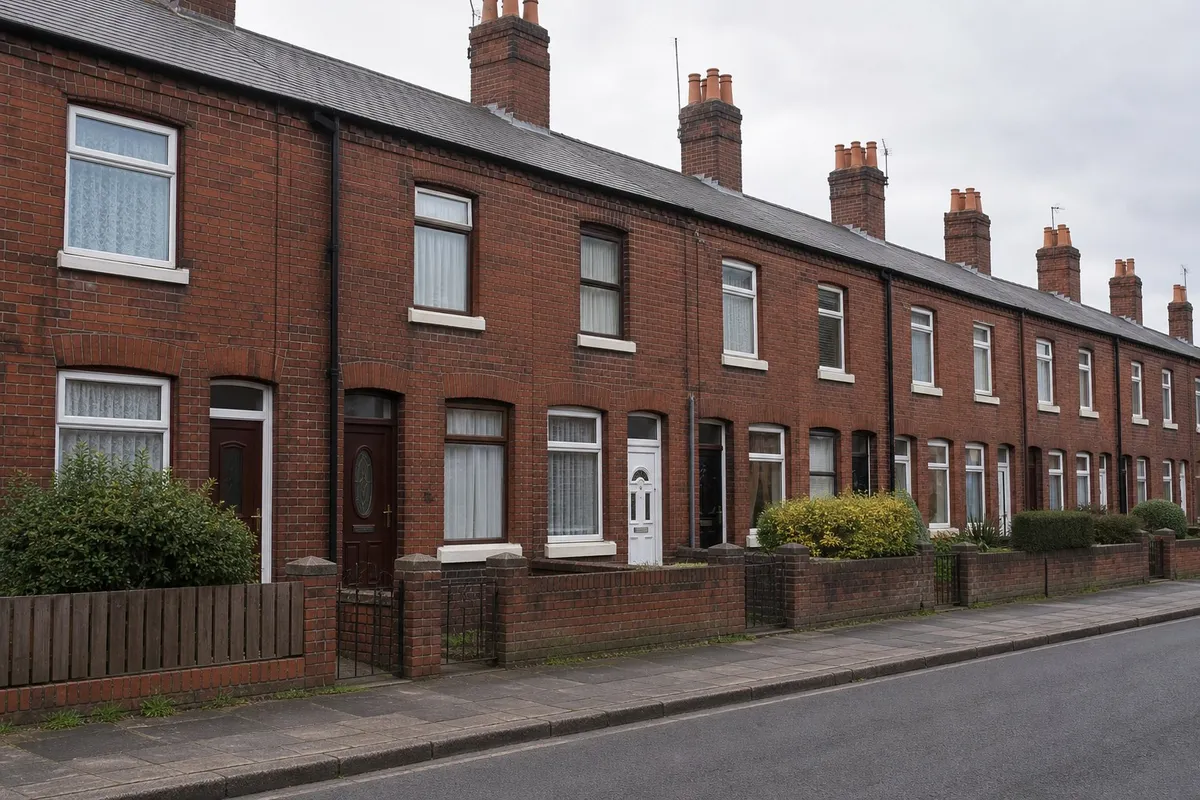
Siting is settled during the survey, not on the morning of the installation. Semis and detached houses across Cockerton, Mowden and Harrowgate Hill nearly always have a side passage or rear garden position with room to breathe. Terraced streets in the West End and the Denes are tighter: a back yard onto a shared lane needs the unit positioned so airflow is not choked by the wall opposite and the fan is not pointed at the neighbour's kitchen. Estate housing in Haughton and Whinfield usually has generous side space. Out towards Heighington and Sadberge exposure matters more, since properties on open ground catch weather that town-centre streets never notice, and that belongs in the calculation rather than in a January surprise.
Timing and disruption
Three to five days covers most domestic installations here. Day one is generally the outdoor unit and the base, days two and three the cylinder and the pipework, with hot water off for part of one of them, then emitters and electrics, then commissioning and a walk-through of the controls. Where a full emitter programme has been specified, add a couple of days. From first enquiry to a finished system, six to ten weeks is realistic outside the September to November rush, when survey diaries fill up.
What you should receive in writing
- A room-by-room heat loss calculation to MCS 3005, not a floor-area estimate.
- The design flow temperature, stated plainly.
- A radiator schedule showing what changes and what each change costs.
- An annual running cost prediction based on your measured demand and a current tariff.
- The £7,500 already deducted, with the claim handled by the contractor.
- An agreed outdoor position and a commissioning certificate at handover.